

Your gut is the center of your health. It affects your mood, skin, and energy levels. Many people feel bloated or tired every day. Often, the food we eat is the cause. This post helps you fix your gut with a simple plan. You do not need complex medical terms to feel better. We will focus on real food and easy habits.

| Feature | Gut Health Benefit |
| Fiber | Feeds good bacteria and prevents constipation |
| Probiotics | Adds live, helpful bacteria to your system |
| Prebiotics | Acts as fuel/fertilizer for existing bacteria |
| Hydration | Supports the mucosal lining of the gut |
Why Gut Health Matters
Your gut holds trillions of tiny living things. These are called microbes. This collection is your microbiome. Some are good and some are bad. A healthy gut has more good ones than bad ones. When the balance is off, you feel sick. You might get gas or feel foggy. Scientists call this state dysbiosis.
A good diet feeds the helpful microbes. They help you digest food. They also keep your immune system strong. Improving your gut is not a quick fix. It is a slow change in how you eat. Think of your gut like a garden. You must pull the weeds and plant good seeds.
How Does the Gut Affect the Brain?
Did you know your gut and brain talk to each other? They use a big nerve called the vagus nerve. This is why you feel “butterflies” when you are nervous. A happy gut often means a happy mind. Good bacteria make chemicals like serotonin. This chemical helps you feel calm and joyful. If your gut is full of junk, your mood may suffer. Eating well is a form of mental health care.
The Pillars of a Gut-Healthy Diet
- Eat More Fiber
Fiber is the most important fuel for your gut. Most Americans do not eat enough of it. Good microbes love to eat fiber. It helps them grow and stay strong. When they eat fiber, they make short-chain fatty acids. These acids protect your gut lining.
Top Fiber-Rich Foods:
- Beans, lentils, and chickpeas.
- Whole grains like oats, quinoa, and brown rice.
- Berries, apples, and pears.
- Broccoli, carrots, and leafy greens.
Start slow with fiber. If you eat too much at once, you might feel bloated. Add one serving of fiber each day. Drink plenty of water to help it move.
- Add Prebiotics
Prebiotics are a special kind of fiber. Think of them as fertilizer for your gut garden. They feed the good bacteria already living inside you. They are just as important as probiotics.
Best sources of prebiotics:
- Garlic and onions.
- Leeks and shallots.
- Asparagus.
- Bananas (especially if they are slightly green).
- Dandelion greens.
Try to include at least one of these in your dinner every night. They add great flavor to your meals too.
- Add Fermented Foods (Probiotics)
Fermented foods contain probiotics. Probiotics are live, good bacteria. They join the army in your gut to fight bad germs. You should eat these every day. They help build a diverse microbiome.
Easy probiotic options:
- Plain Greek yogurt.
- Kefir (a drinkable yogurt).
- Sauerkraut (fermented cabbage).
- Kimchi (spicy fermented veggies).
- Miso (fermented soybean paste).
- Pickles made with salt and water.
Check the label for “live cultures.” Avoid versions with lots of added sugar. Sugar can feed the bad bacteria you want to avoid.
- Choose Whole Foods
Processed foods are hard on the gut. They often have chemicals and dyes. These can irritate your gut lining. This irritation can lead to “leaky gut.” Stick to foods that look like they did in nature.
Pick a whole potato over potato chips. Choose a piece of chicken over nuggets. Fresh food is always better for your digestion. It has more nutrients and less junk. It also has natural digestive enzymes.
Foods to Avoid for Better Digestion
Some foods act like poison for your gut. They cause inflammation and pain. Reducing these will help your gut heal faster.
- Added Sugar: Bad bacteria love sugar. It helps them take over.
- Artificial Sweeteners: These can change your gut microbes in a bad way.
- Fried Foods: Heavy oils are hard to break down.
- Red Meat: Too much red meat can cause gut stress.
- Alcohol: Large amounts can damage the gut wall.
You do not have to quit these forever. Just eat them less often. Small changes make a big difference over time.
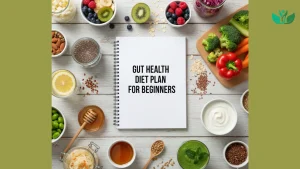
7-Day Gut Health Meal Plan
Use this plan to get started. It uses cheap and easy ingredients.
| Day | Breakfast | Lunch | Dinner |
| 1 | Oatmeal & Blueberries | Chickpea Spinach Salad | Salmon & Sweet Potato |
| 2 | Greek Yogurt & Banana | Turkey & Greens Wrap | Black Bean Rice Bowl |
| 3 | Avocado Toast | Lentil Soup & Carrots | Chicken & Broccoli |
| 4 | Berry & Kefir Smoothie | Tuna & Mixed Greens | Zucchini Pesto Noodles |
| 5 | Eggs & Sautéed Onions | Quinoa & Feta Salad | Ground Turkey Tacos |
| 6 | Chia Seed Pudding | Leftover Tacos/Burrito | Roast Cod & Green Beans |
| 7 | Buckwheat Pancakes | Large Garden Salad | Veggie Stir-fry & Tofu |
Simple Habits for Better Digestion
How you eat is just as important as what you eat. Your body needs a calm state to digest food well.
Chew Your Food
Digestion starts in your mouth. Your saliva has enzymes that break down food. Chew each bite until it is soft. This makes the job easier for your stomach. It also helps you feel full faster.
Stay Hydrated
Water is the oil for your gut machine. It keeps things moving through your system. Aim for eight glasses a day. If you are active, drink more. Avoid drinking too much during your meal. It can thin out your stomach acid.
Manage Your Stress
Stress sends signals to your gut. It can cause cramps or diarrhea. High stress stops digestion. Take a few deep breaths before you eat. Try to sit down and relax during meals. Turn off the TV and put away your phone.
Get Enough Sleep
Your gut microbes have a clock. They need rest just like you do. Aim for seven to eight hours of sleep. A tired body cannot digest food well. Poor sleep also makes you crave sugar.
Understanding Food Intolerance
Sometimes, healthy foods still cause pain. This might be a food intolerance. Common triggers include dairy or gluten. Keep a food diary for one week. Write down what you eat and how you feel. If you notice a pattern, talk to a doctor. Do not cut out whole food groups without help.
Tracking Your Progress: Personalized Nutrition
In 2026, we know that every gut is different. What works for one person might not work for you. You can track your progress using simple tools:
- Stool Consistency: Use a chart to track your digestive health.
- Energy Levels: Note if you feel a “slump” after certain meals.
- Gut Testing: Consider a home microbiome kit to see your specific bacteria levels.
Final Thoughts
A healthy gut leads to a happy life. Start by adding one new vegetable to your dinner. Swap your sugary snack for yogurt. These small steps add up. Your body will thank you for the care. Listen to how you feel after you eat. If a food makes you tired, stop eating it. You are the boss of your health. Your journey to a better gut starts with your next bite.
Frequently Asked Questions (FAQ)
Q: How long does it take to heal your gut?
A: Most beginners feel better in 14 days. You may notice more energy and less bloating. A full reset of your microbiome usually takes about three months of consistent eating.
Q: What is the best drink for gut health?
A: Water is best. For a boost, try kefir, kombucha, or bone broth. These provide probiotics or minerals that support the gut lining.
Q: Do I need expensive supplements?
A: No. Food is the best source of gut health. Only take pills if a doctor tells you to. Probiotic pills can help sometimes, but whole foods provide fiber that pills lack.