

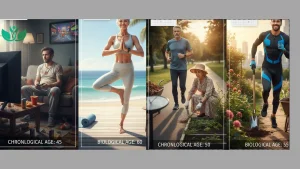
Your birthday tells you how many years you have lived. That is your chronological age. But your body has its own clock. That is your biological age. These two numbers are often very different. One person might be 50 but feel 40. Another might be 30 but have the heart of a 50-year-old. Knowing the difference can help you live a longer and healthier life. Many people think they cannot control how they age. This is not true. You have more power over your body than you think.
What is Chronological Age?
Chronological age is the simplest way to measure time. It starts the day you are born. You cannot change this number. It goes up by one every year. Doctors use it to track milestones. It helps them know when you need certain health checks. For example, they look at your age for heart tests. They use it to see when kids should grow. However, it does not tell the whole story of your health. It is just a count of trips around the sun. It does not show how strong your heart is. It does not show how clear your mind is.
What is Biological Age?
Biological age is about how your cells and organs look. It measures how much your body has worn down over time. It looks at your heart health and your lungs. It also looks at your DNA and how well your cells work. This number is more important than your birthday. It predicts how long you might live. It shows your risk for getting sick. If your cells are healthy, your biological age is low. If your cells are damaged, your biological age is high. You want your biological age to be lower than the years on your ID card.
Why Your “Body Age” Matters
Two people of the same age can look very different. One might run marathons every month. The other might struggle to walk up stairs. Their biological ages are miles apart. Your body age shows how well you are aging. If your biological age is low, you are doing well. If it is higher, it is a wake-up call. It means your body is under stress. It means your organs are working too hard. You can take steps to turn back your inner clock. You can make choices that help your cells stay young. A younger body age means more energy. It means you can play with your grandkids later in life. It means you feel better every single day.
The Science of Telomeres
Scientists also look at the tips of your DNA. These are called telomeres. Think of them like the plastic tips on shoelaces. They protect your genes from getting frayed. Every time a cell divides, these tips get shorter. When they get too short, the cell dies. People with a low biological age often have longer telomeres. Stress and poor food make these tips shrink fast. Exercise and good sleep help keep them long. This is one of the big secrets to staying young at the cell level.
How Do We Measure Biological Age?
Scientists use a few ways to find your true age. They look at biomarkers in your blood. These marks show how your organs are doing. They act like a report card for your health.
Epigenetic Clocks
Our DNA has small tags on it. These tags change as we get older. Scientists call this DNA methylation. They can test these tags to find your biological age. It is like reading the rings on a tree. These clocks are very accurate. They can tell if your lifestyle is hurting or helping you.
Blood Tests and Inflammation
Common blood tests also give clues. They check for swelling in the body. Doctors call this inflammation. Chronic swelling makes you age much faster. Tests also look at blood sugar and fat levels. High sugar levels damage your blood vessels. This makes your biological age go up quickly.
Physical Strength Tests
Simple tests like grip strength matter too. If your hands are strong, your muscles are likely healthy. How fast you walk can tell a lot about your heart. Even how well you balance shows how your brain is aging. If you can stand on one leg for a long time, that is a good sign. It means your nerves and muscles are working together well.
What Makes You Age Faster?
Many things affect your inner clock. Some you can control, and some you cannot. Knowing these can help you avoid traps.
Genetics
You get your genes from your parents. Some people are born with “good” genes. Their bodies stay young longer naturally. But genes are only part of the story. Your choices matter much more than your luck. Your lifestyle can turn certain genes on or off. This is a very big deal for your health.
Lifestyle Choices and Habits
Smoking is a major factor for aging. It damages your cells and makes you age fast. It stains your skin and hurts your lungs. Too much alcohol does the same. It puts a lot of stress on your liver. A poor diet full of sugar also hurts your body. It causes stress on your cells and leads to weight gain.
Stress and Mental Health
High stress releases chemicals like cortisol. Too much cortisol wears your body down. It can make your heart beat too fast for too long. If you are always worried, your cells feel it. Mental health is a huge part of your biological age. People who are happy often live longer. They have lower levels of swelling in their bodies.
Lack of Sleep
If you do not sleep, your body cannot fix itself. Sleep is when your brain cleans out waste. It is like a nightly car wash for your head. Without it, your biological age goes up. Your skin looks tired and your heart works harder.
Environmental Toxins
Pollution and sun damage also play a role. Breathing dirty air hurts your lungs and heart. Too much sun damages your skin cells and causes spots. Both make you look and feel older than you are. Even the water you drink and the plastic you use can matter.
How to Lower Your Biological Age
The good news is that biological age is not set in stone. You can make it go down. Small changes lead to big results over time. You do not have to change everything at once. Start with one thing this week.
Eat Real, Whole Foods
Focus on plants and lean proteins. Eat lots of berries because they have antioxidants. These are like tiny shields for your cells. Leafy greens like spinach are also great. They have vitamins that keep your DNA healthy. Avoid processed snacks like chips and cookies. These have “empty calories” that cause weight gain and swelling. Drink plenty of water every day to keep your skin plump.
Specific Foods for Youth
- Blueberries: These help your brain stay sharp.
- Walnuts: These are great for heart health.
- Fatty Fish: Salmon has oils that lower swelling.
- Beans: These give you fiber for a healthy gut.
- Green Tea: This drink helps protect your cells from damage.
Move Your Body Every Day
You do not need to be a pro athlete. Walking 30 minutes a day helps a lot. It gets your blood flowing to your brain. Lifting weights keeps your bones strong. This is very important as you get older. It prevents you from getting frail. Exercise keeps your heart young and your mind clear. It also helps you burn off extra sugar.
Get Better Sleep Habits
Aim for seven to nine hours of sleep every night. Keep your bedroom cool and dark. Turn off your phone an hour before bed. The blue light from screens wakes up your brain. Good sleep lowers swelling in the body. It gives your cells time to repair any damage from the day.
Manage Your Stress Levels
Find ways to relax your mind. Deep breathing for five minutes can help. A quiet walk in nature is very good for your soul. Spending time with friends also lowers stress. Humans are social animals. We need each other to stay healthy. A happy mind leads to a younger, stronger body.
Limit Toxins and Bad Habits
Stop smoking as soon as you can. Limit alcohol to one drink or less. Use sunscreen when you go outside for long periods. These small habits protect your cells from permanent harm. They keep your skin looking young and your organs working well.
The Role of the Gut
Your gut is home to trillions of tiny bugs. This is called your microbiome. These bugs help you digest food. They also talk to your immune system. If these bugs are healthy, you age slower. Eating fiber helps these good bugs grow. Fermented foods like yogurt are also helpful. A healthy gut means a lower biological age.
The Future of Aging Science
Science is moving very fast right now. We are learning how to slow down the aging process. Some new medicines might help cells stay young in the future. Scientists are testing ways to repair DNA directly. But for now, basic health habits are your best tool. We can all work to keep our inner clock slow. You do not need a lab to start today.
Summary of Key Points
- Chronological age is just your years on earth.
- Biological age is how old your body feels and works.
- Telomeres and DNA tags show your true age.
- You can change your biological age with better habits.
- Diet, sleep, and exercise are the best anti-aging tools.
- Managing stress is just as important as eating well.
- Lowering your inner age reduces your risk of getting sick.
Final Thoughts on Longevity
Do not focus too much on the number on your birthday cake. That number is just a fact of time. Focus on the health of your cells and your heart. You have the power to stay young inside. Start with one small change today. Maybe take a short walk after dinner. Or swap a soda for a glass of water. Your body will thank you for years to come. Staying young is a marathon, not a sprint. It is about the small things you do every single day. Take it one day at a time. Your future self will be glad you started now.